1. Taped problems
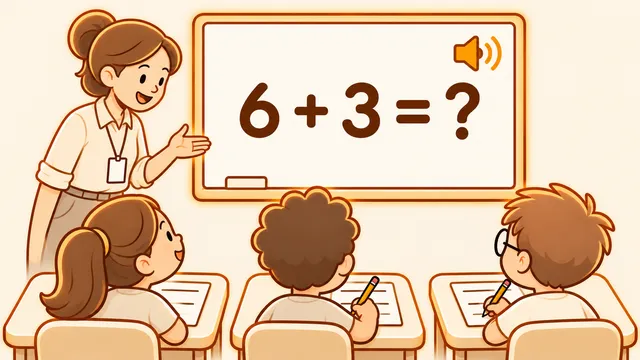
A recording reads a fact and pauses. Students write their answers before they hear the answer on the recording.
Facts on Fire provides about 5–10 minutes of school-wide fact fluency practice each day, after a skill has been taught. Schools choose the skills their students need and build practice into the school day.
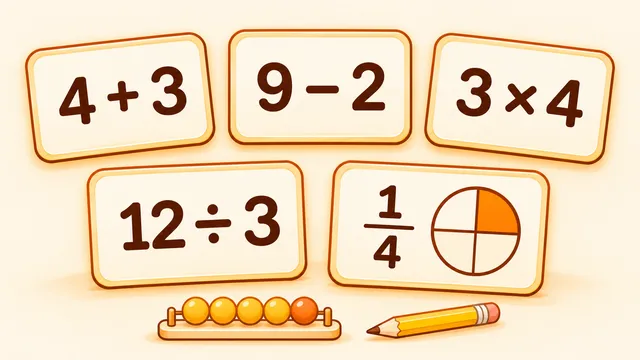
The skills progress from counting through addition, subtraction, multiplication, division and multidigit work, with fractions extending the range of practice. Schools typically choose three to five skills to focus on over the year.
Read more about the research behind the program.
A recording reads a fact and pauses. Students write their answers before they hear the answer on the recording.
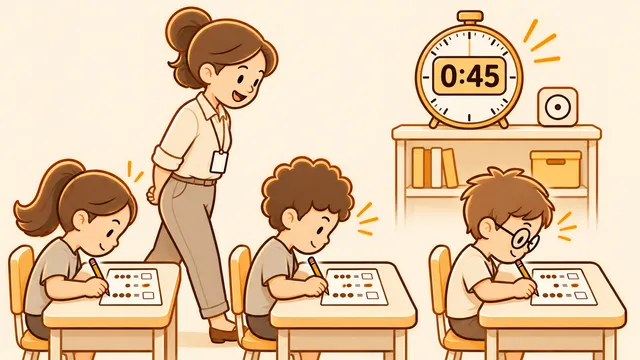
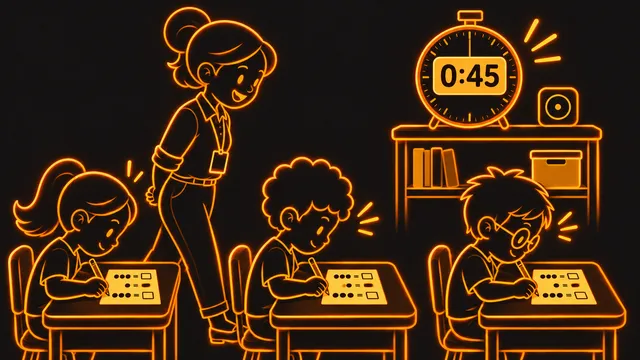
Students complete a one-minute check and compare their score with their previous timing.
Some classes add two short warm-up timings before the one-minute check.
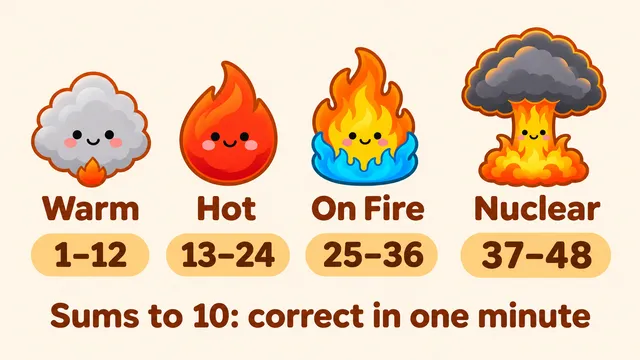
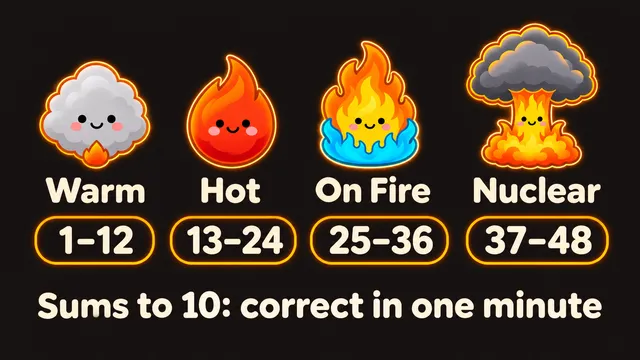
Count the problems answered correctly in one minute. Find that score on the workbook’s heat chart and record the level reached.
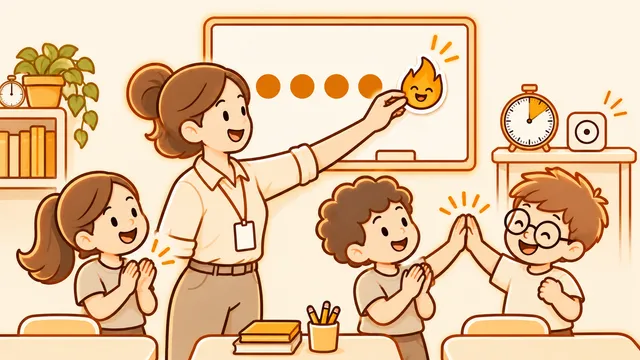

On Friday, the class celebrates progress toward its shared goal.
In this PaTTAN presentation from 2023, Brian Poncy explains how MIND can support class-wide computation practice.
Laura Stam’s published classroom demonstrations show choral taped problems, written responses, warm-up timings and a Friday celebration.
Watch Laura’s classroom demonstrations
The class sees facts on a screen or smartboard. The teacher plays the recording and runs the one-minute timing.
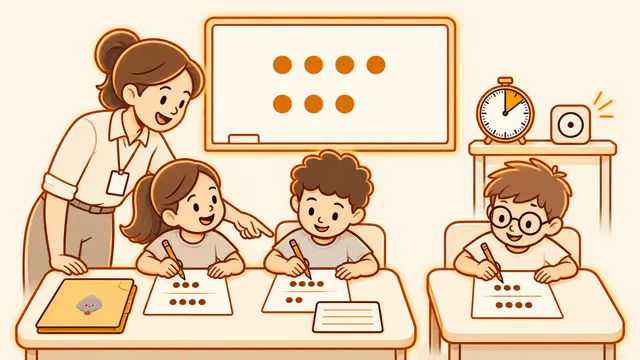
Students write their answers and complete timings in printed workbooks. The paper materials are free, and the school covers printing.


Students complete practice on their devices, with automatic timing, scoring and progress tracking. Online and hybrid practice is priced by school quote.

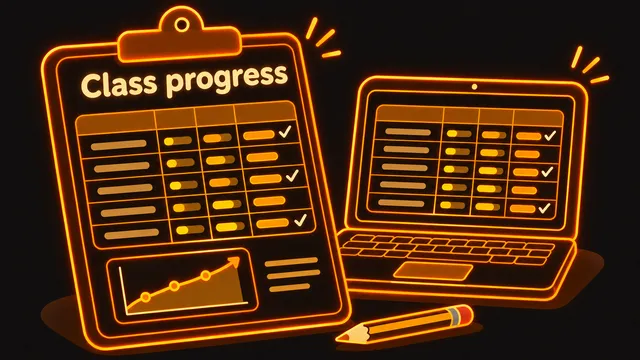
Teachers fill out progress reports manually when students use paper workbooks, or get them automatically when students use devices. Reports help teachers and school leaders see progress across classes and identify students who may need more support.
For help introducing Facts on Fire, contact the authors about training and consultation.

